Quick answer (TL;DR)
Living in the North Georgia mountains feels quieter and more deliberate than suburban life. Forested ridges shape the view, winding roads shape the day, and small towns handle many errands and social ties. The trade is practical: more space and outdoor access often come with longer drives, changing weather by elevation, and property details that deserve careful checking.
Mountain life in North Georgia is less about vacation scenery than daily rhythm: wooded roads, close town centers, changing weather, and extra planning for services, commutes, and home upkeep.
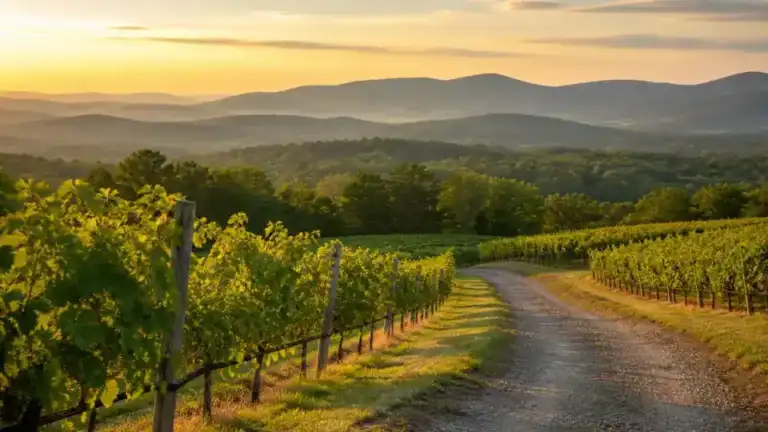
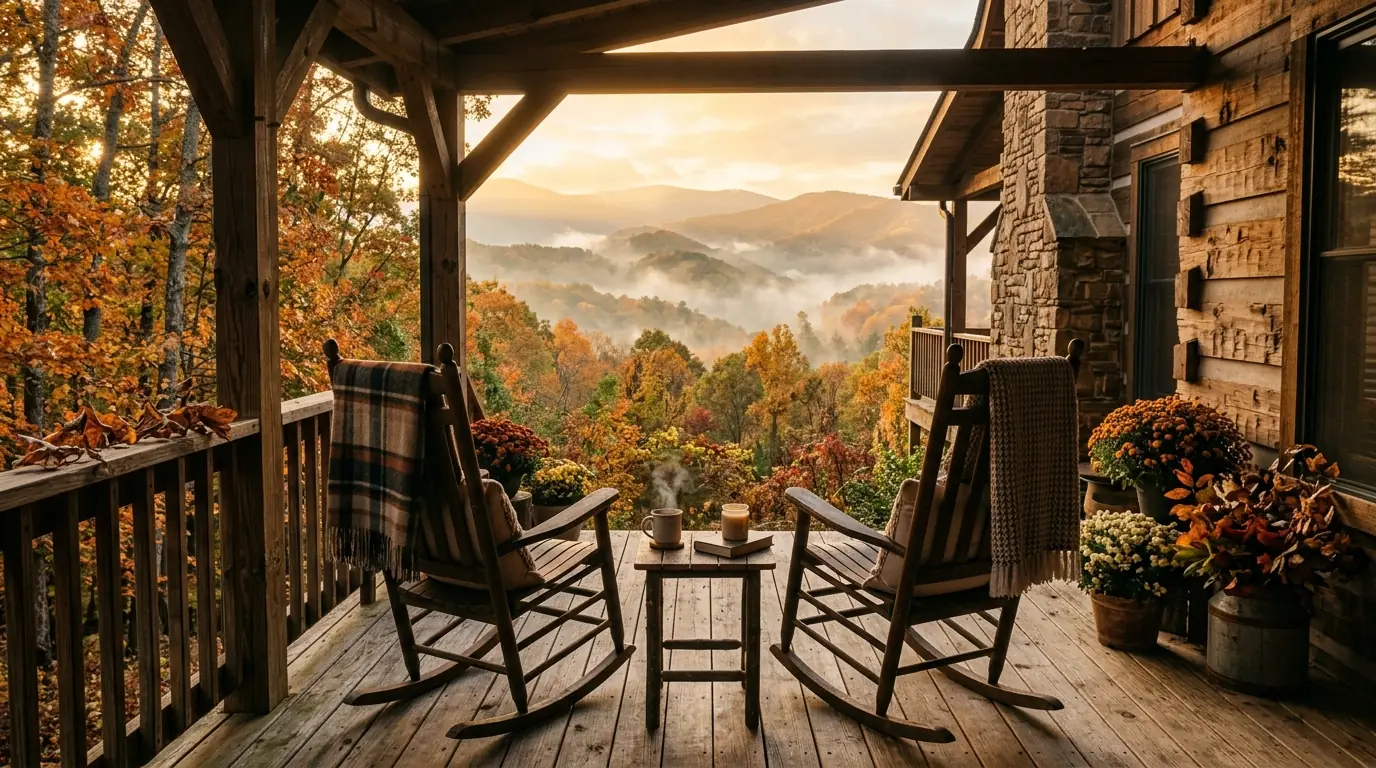
The postcard version is easy to imagine. A porch faces a blue ridge, fog sits low in the valley, and the evening arrives without much traffic noise. The lived version is more interesting. It includes grocery lists made before the trip into town, a mental map of which roads feel comfortable after dark, neighbors who recognize your truck, and a habit of checking the weather before crossing a higher ridge.
That rhythm can feel deeply settled, but it is not effortless. The North Georgia mountains ask you to pay attention to place. A home that looks close on a map may feel tucked away once you drive the road. A town that seems small may still carry a full calendar of local life. The best way to understand the region is to look past the scenery and picture an ordinary Tuesday.
What does an ordinary day feel like?
Days here tend to organize themselves around roads and town centers. You may combine errands because the hardware store, pharmacy, market, and post office are not all around the corner. That is not necessarily an inconvenience. Many residents come to like the clearer boundary between being home and going out. Home feels like a destination, not a pause between stops.
The roads set the pace. Curves, tree cover, gravel drives, and changing light call for patience. Some routes are broad and familiar. Others narrow quickly once they leave a main corridor. People who enjoy driving without rushing often adapt well. Anyone with a fixed commute should test the route at the hours they will actually use it, not on a quiet weekend afternoon.
Dahlonega offers one version of this life, with a courthouse square and a college-town current beneath the mountain setting. Our practical notes on moving to Dahlonega show how that local rhythm translates into everyday decisions. Other towns and rural pockets feel different, even when the ridges look similar from a distance.
Is the pace really slower? Usually, but not because nothing happens. The day often has fewer spontaneous errands and more planned trips. Local calendars, school events, markets, trails, and town squares create the social rhythm. People who enjoy that pattern tend to settle in faster than people expecting a constant resort atmosphere.
How much does the exact location change the experience?
A great deal. North Georgia mountain living is not one uniform lifestyle. A house near a town edge can feel connected and convenient. A wooded ridge home may trade that convenience for quiet and a longer private drive. Rural acreage introduces its own routines around gates, outbuildings, wells, septic systems, and road access. Lake-oriented areas add another layer of seasonal traffic and property-specific rules.
The useful question is not whether one setting is better. It is which set of daily habits fits you. If you want to walk into town for coffee, a distant ridge address may frustrate you. If you want darkness, privacy, and room between houses, a town lot may feel too exposed. This is where a map stops helping and repeated visits begin to matter.
| Setting | Daily character | What to verify |
|---|---|---|
| Near a town center | Shorter errand loops and more visible community activity | Traffic patterns, parking, noise, and future nearby development |
| Wooded ridge or hollow | More privacy, shade, and a stronger sense of retreat | Driveway grade, drainage, tree work, and reliable service access |
| Rural acreage | More land responsibility and fewer immediate neighbors | Survey, boundaries, well, septic, road maintenance, and internet options |
| Lake or river corridor | Water access can shape weekends and seasonal use | Flood information, permits, shoreline rules, insurance, and access rights |
Visit the grocery store you would use, drive the route after sunset, check your phone signal at the house, and make one ordinary weekday trip. A property tour shows the home. A routine test shows whether the location works.
Buyers focusing on the Dahlonega area can use a closer look at Dahlonega neighborhoods as a starting point, then compare the actual roads and settings in person. Neighborhood names alone rarely tell the full story.
What should you notice about a mountain home?
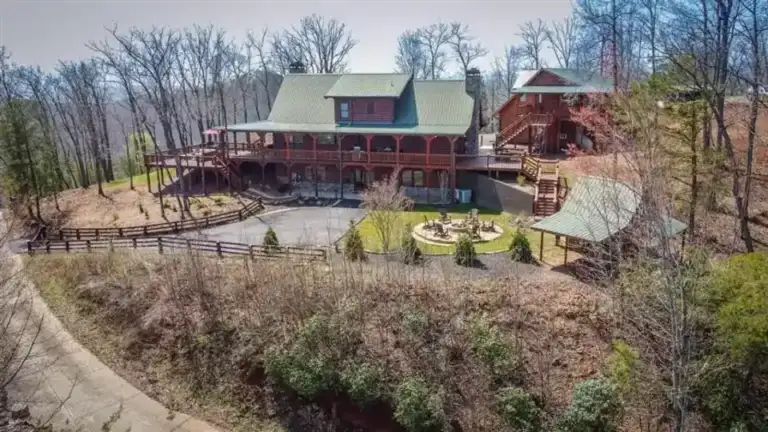
The house and the land need to be read together. Water moves downhill, trees grow close, and driveways can be part of the home’s daily machinery. Pay attention to how rain leaves the site, where sun reaches the roof and driveway, how service vehicles enter, and whether the approach feels manageable in poor weather. These are ordinary ownership questions in the mountains, not reasons to avoid the setting.
Construction details also deserve context. A cabin look does not tell you how a house was built or maintained. A long-range view does not explain the stability of a slope. A private road does not tell you who maintains it. Inspection, survey, title work, insurance review, and written verification of shared-road or association obligations all matter more than assumptions made during a beautiful showing.
Before committing, verify road ownership, maintenance responsibility, emergency access, internet availability, insurance terms, and winter conditions for the specific property. These details can change from one road to the next.
Mountain living becomes ordinary in the best way when the road, the house, and your routine all agree with one another.
How do the seasons shape life?
Seasonal change is one of the pleasures of living here, but it is also practical. Leaf cover changes a view. Summer shade can hide how much light reaches a house in winter. Heavy rain reveals drainage patterns that a dry tour will not. Cold mornings make a steep, shaded driveway feel different. Spring pollen settles on porches and cars. Each season shows a separate side of the same property.
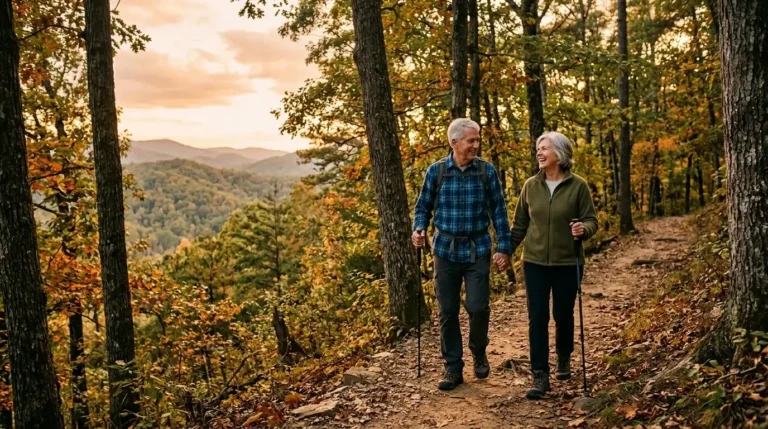
The mountains also pull daily life outdoors. A short walk, a creek crossing, a trailhead, or an evening on the porch can become part of the week rather than a planned vacation. Amicalola Falls State Park and the Chattahoochee-Oconee National Forest are real regional landmarks, but the quieter pleasure is often closer to home: hearing rain in the trees, noticing the first cool night, or watching fog lift from a lower ridge.
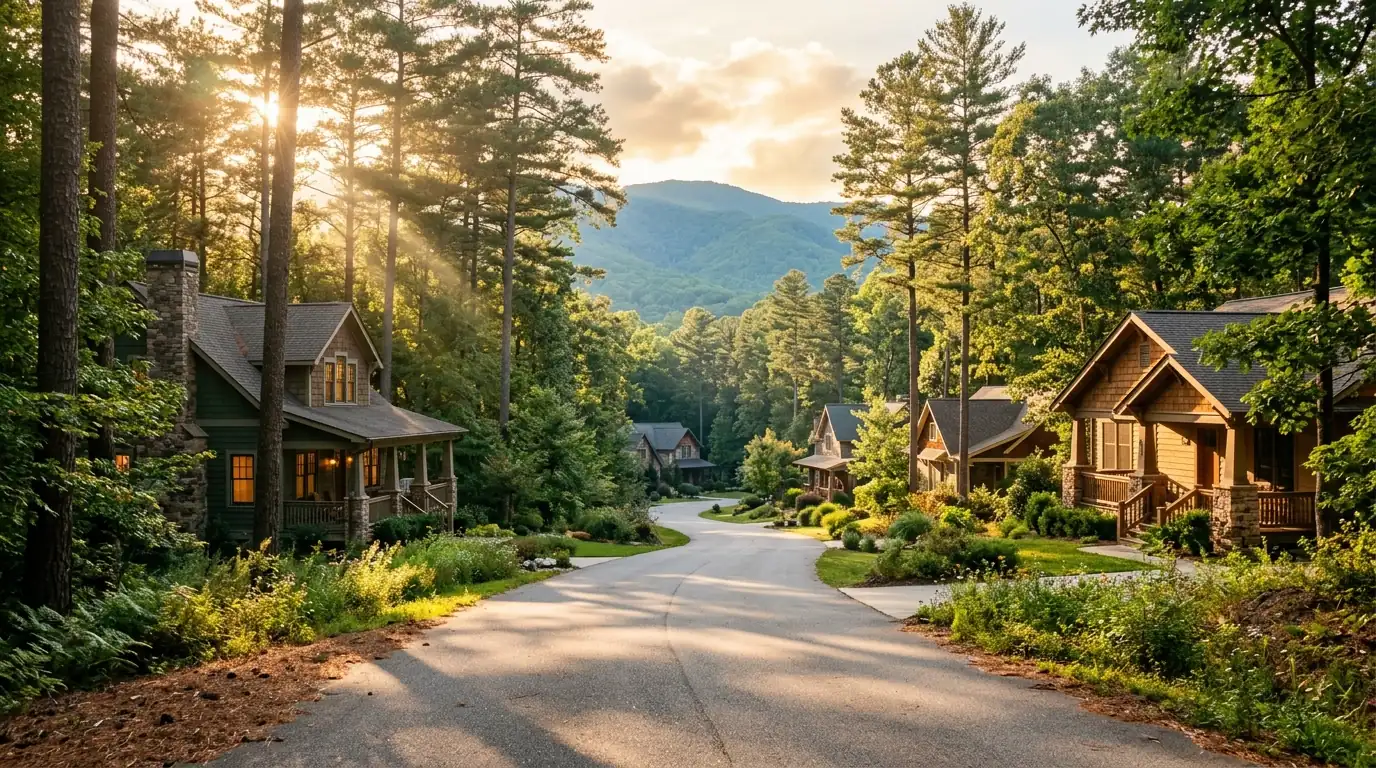
The landscape is part of the character of Gold Peach Country, but it never removes the need to investigate a particular address. Weather, elevation, sun, road surface, and tree cover can create noticeable differences within a short drive.
What does community feel like?
Community often gathers around places rather than grand plans. A town square, a school event, a farmers market, a church supper, a volunteer group, or a familiar counter at a local shop can become the thread that connects a week. You do not have to be outgoing, but showing up consistently matters. Familiarity grows from repetition.
That can feel warm to someone ready for a more local life. It may feel slow to someone who wants endless options at any hour. Neither response is wrong. The region rewards people who are curious about the place as it is, not people trying to turn it into the suburb they left.
Dahlonega is a useful example because its present-day life sits visibly beside its history. Reading how Dahlonega changed after the gold rush makes the square feel less like a decorative backdrop and more like a town that kept adapting. That sense of continuity is part of the appeal across many North Georgia communities.
How can you tell whether mountain life fits?
Spend time here without turning every hour into sightseeing. Wake up early, drive in rain if the weather offers it, work remotely from the location if that matters, and see how you feel when the nearest errand is not immediate. Notice whether the quiet feels restful or isolating. Notice whether the road feels scenic or tiring. Those reactions are useful information.
Then separate the regional decision from the property decision. You may love North Georgia and still dislike a particular driveway. You may prefer a modest town-edge home to a dramatic ridge view. You may discover that access to a trail matters less than access to reliable internet. The right answer becomes clearer when you let ordinary needs outrank the listing photos.
The practical attraction of living in the North Georgia mountains is not that every day feels like a getaway. It is that ordinary life can happen in a place with more texture, more visible seasons, and a closer relationship to the land. The trade works when you understand it before you buy.
Frequently Asked Questions
Is living in the North Georgia mountains peaceful year-round?
Many homes and roads feel quiet for much of the year, but the experience depends on the exact location. Town events, seasonal visitors, nearby rentals, road traffic, and construction can change the sound and pace. Visit at different times and ask direct questions about the immediate surroundings.
Do I need four-wheel drive to live in the North Georgia mountains?
Not for every property. The answer depends on the driveway grade, road surface, shade, drainage, and how the route behaves in poor weather. Drive the approach yourself and ask an inspector or local professional to evaluate access for the specific home.
Is internet service reliable in mountain areas?
Service varies by road and address. A provider map is only a starting point. Confirm available plans with the provider, ask for a serviceability check, test cellular reception on site, and avoid assuming that a nearby house has the same options.
Are mountain roads difficult to drive?
Some are broad and easy, while others are narrow, steep, shaded, gravel, or privately maintained. The route to a property matters as much as the distance shown on a map. Drive it in both directions and, if possible, in more than one weather condition.
What kind of home maintenance is common in wooded settings?
Owners often pay close attention to drainage, gutters, tree limbs, exterior moisture, pests, driveway surfaces, and roof debris. The exact workload depends on the site and construction. A thorough inspection and a walk around the property after rain can reveal more than a dry-day tour.
Does North Georgia mountain living feel isolated?
It can, especially on a remote road or for someone used to constant nearby activity. A town-edge location may feel connected, while a ridge or rural tract may feel private. Test the drive to the places you use and pay attention to how the quiet affects you.
What should remote workers check before moving?
Confirm internet service at the exact address, test cellular backup options, ask about outage history, and think through where equipment can run during a power interruption. If remote work is essential, treat connectivity as a property condition rather than a later convenience.
How do I compare different North Georgia mountain towns?
Compare the daily things first: work routes, healthcare access, groceries, community activities, road comfort, and the kind of home setting available. Spend ordinary time in each place. A town that is wonderful for a weekend may not match the routine you want.
Are private roads common in the mountains?
They appear in many rural and mountain settings, but each road has its own ownership and maintenance arrangement. Review recorded documents, ask who pays for repairs, confirm emergency access, and understand any shared obligations before relying on a verbal explanation.
What should I know about wells and septic systems?
They are property-specific systems that deserve professional inspection and document review. Confirm permits where available, understand maintenance history, and ask how the systems relate to the lot and nearby water features. Do not assume a neighboring property was designed the same way.
Is North Georgia mountain weather the same everywhere?
No. Elevation, slope, tree cover, and exposure can make nearby locations feel different. A shaded driveway may hold moisture or cold longer than an open one. Visit the property in more than one season when possible and ask about conditions on that road.
What is the best first step before buying a mountain home?
Choose a few settings that fit your routine, then drive them as if you already lived there. Once a property stands out, verify access, utilities, survey, title, inspections, insurance, and any road or association responsibilities with the appropriate professionals.
Ready to compare mountain homes with everyday life in mind?
Gold Peach Realty can help you evaluate the roads, settings, and property details that shape a North Georgia move.
List your North Georgia mountains home with Gold Peach Realty