Quick answer (TL;DR)
A second home in the North Georgia mountains earns its keep as a place you actually use: weekends on a porch instead of a hotel, seasons you can watch change, and a base for the fishing, hiking, and small-town rhythm that draw people here in the first place. The honest case requires honest accounting: winter upkeep, maintenance between visits, and covenant questions answered in writing before you buy.
A North Georgia second home is a personal-use proposition: porch weekends, real seasons, and mountain access on demand, balanced against winter upkeep and questions you settle in writing first.
Why Atlanta keeps looking north
Georgia arranges itself so that the state’s biggest city sits within an easy drive of its highest ground. Friday afternoons in Atlanta produce a quiet migration: trucks with kayaks, SUVs with dogs, cars that know their curves by heart, all pointed toward the blue line of mountains at the top of the map. The habit goes back generations, and it has quietly shaped the housing market of every town along the way.
A second home is what happens when that habit gets tired of hotel searches and cabin rental calendars. You stop packing like a visitor. You keep a coffee pot and a rain jacket at altitude, and the mountains stop being a trip you take and become a place you keep. For many owners, that shift from renting a weekend to owning one is the entire appeal.
What a second home here is actually for
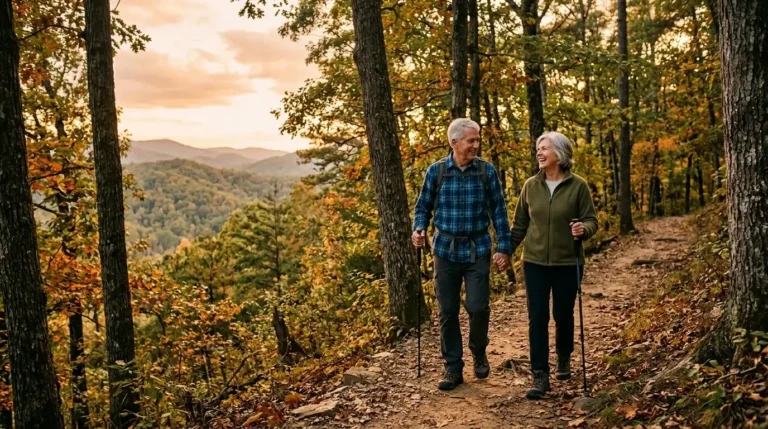
The happiest second-home owners in North Georgia describe the same thing, almost word for word: they bought a house for their own weekends. Not for a rental calendar, and not for a hypothetical future move, but for the porch in October and the creek in July. The purchase makes sense when the house fits the trips you already take, and it strains when it depends on trips you hope to start taking.
Treating the house as a personal place changes how you shop for it. You stop asking what photographs well and start asking what works on a rainy Sunday: the road in, the heat, the water, the walk from the door to the truck. A modest cabin you use twice a month will return more of what you bought it for than a showpiece you visit twice a year.
Close enough to use on impulse, far enough that arrival feels like a change of country.
The same property is a different possession in April, July, October, and January.
The strongest case for owning rests on trips you already make, not income you might project.
The honest ledger: what ownership asks back
A mountain house gives more than it asks, but it does ask, and the asking shows up mostly in the gaps between visits, when nobody is there to notice. Gutters, driveways, chimneys, and septic systems all prefer regular attention, and a house that sits empty rewards an owner who plans for the weeks it sits. Most second-home owners settle into a rhythm: a standing visit each season, a local contact who can lay eyes on the place, and a maintenance list treated as calendar items rather than surprises.
A lightly used house in January is a different animal from a lived-in one. Know where the water shut-off lives, decide how the house will be heated between visits, and arrange for someone to check it during cold snaps. Frozen-pipe awareness is the difference between a quiet winter and an insurance claim, and what winters are actually like in these mountains is worth reading before you buy.
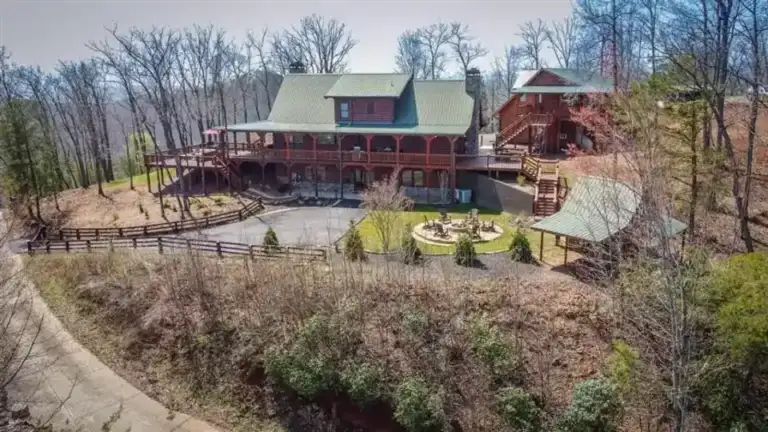
Rural systems deserve their own line in the ledger. Many mountain properties run on well water and septic rather than municipal hookups, and both want inspection before closing and modest, scheduled care after it. None of this is exotic. It is simply the ownership math of a beautiful, less-tamed stretch of Georgia, and it is best done deliberately rather than discovered. Log and heavy-timber homes carry one more line in that ledger: refinishing, sealing, and restaining on a repeating multi-year cycle, and the deck that sold you in October is the same surface asking for the work.
What does a second home ask of you between visits?
Mostly rhythm, not emergencies: gutters, driveway, chimney, and septic on a schedule; a plan for heat and water shut-off during a hard freeze; and a trusted local contact who checks the house after storms and in deep winter. Owners who calendar those checks rarely get surprises.
Town-close or deep hollow: choosing your setting
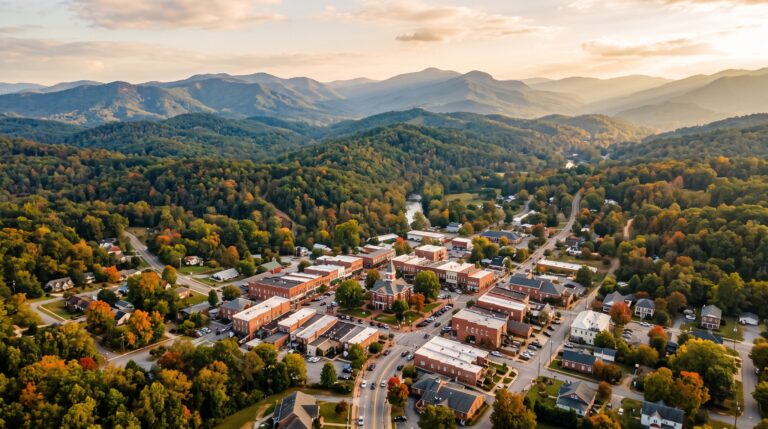
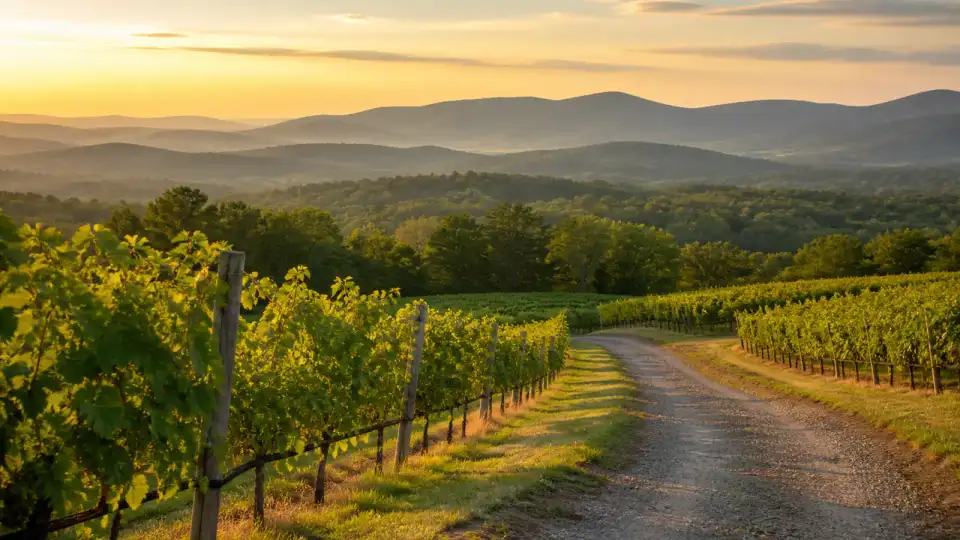
Second-home locations in the region sort into two rough families. The first sits near a town, where dinner, groceries, and a hardware store are minutes away and the square gives a weekend its social shape. Dahlonega anchors that family for much of the region, and the mountain towns each carry a character worth comparing before you narrow the search. Weekends here run between real landmarks: Amicalola Falls to the west, the vineyard roads outside Dahlonega, trout streams in between. The second family sits farther out: more privacy, longer views, more land, and more reliance on your own planning.
The trade-off is honest on both sides. Farther out often means steeper drives, gravel roads, and shaded stretches that hold ice longer after a storm; near town often means neighbors closer than the view. Where roads are private, ask about maintenance arrangements and cost-sharing in writing before you commit. The right setting is the one whose drawbacks match the way you actually spend a weekend.
| What you weigh | Town-close | Deep hollow |
|---|---|---|
| Everyday convenience | Groceries, dinner, and hardware minutes away | A planned drive for every errand |
| Privacy and view | Neighbors closer than the view | Long views, more land, real quiet |
| Winter access | Public roads plowed sooner after a storm | Shaded, steeper stretches hold ice longer |
| Getting help | Trades and services close by | Fewer hands available, longer calls |
Picture your third weekend there, not your first. The setting that still feels right on a rainy Sunday in February, when the drive is long and nobody is showing the place off, is the one you actually bought.
If renting it ever crosses your mind
Sooner or later, most second-home owners wonder about letting the house earn its keep during the empty weeks. North Georgia answers that question in documents rather than opinions: the rules that govern rental use live in HOA covenants and county ordinances, they differ from one community to the next, and they change over time. If rental use matters to your plans at all, request the current covenants in writing from the HOA and confirm the county’s rules before you buy. An answer that arrives in writing after you close is not an answer.
Values are a separate conversation from use. The region has been drawing new residents and second-home buyers for years, and whether the North Georgia market is really growing has its own treatment on this site, as does the broader growth story of the region. Neither piece will hand you a promise about next year, which is itself the honest position.
Making the case, honestly
The case for a second home in these mountains is really a case about how you spend Saturdays. If your weekends already point north, the house removes friction from a habit you have. If they do not, the purchase is an argument with yourself that a property cannot win. Two roofs, two water systems, two property tax bills, two communities to be a stranger in until you are not: that is the fair price of the porch, and only you know whether it reads as a bargain.
What the mountains contribute, they contribute reliably. The October light arrives without being asked. The creek runs through August. The square fills on a Friday evening and empties by Sunday noon. A second home here is a standing invitation to all of it, and the owners who love theirs are the ones who accepted.
Frequently Asked Questions
Is a second home in the North Georgia mountains a good investment?
As a pure investment question, it depends on market cycles nobody can promise. As a use question, it pays in weekends: lodging you never search for, gear that stays put, and a place that appreciates in your memory whether or not it does on paper. Buy it for the use, treat appreciation as possible but unpromised, and keep the decision separate from any income projection.
How far is the drive from Atlanta?
Close enough that weekends happen. Most weekender owners arrive Friday evening and turn back Sunday afternoon, and the drive itself becomes part of the ritual rather than an obstacle. That practical distance, more than any scenery, is why second-home culture is so established in these particular mountains.
Can I rent out my second home when I am not using it?
Sometimes, but the answer belongs to documents rather than general advice. Rental rights in North Georgia communities are governed by HOA covenants and county ordinances that differ by location and change over time. If renting matters to your plans, request the current covenants in writing from the HOA and confirm the county’s rules before you buy, not after.
What are the best towns for a second home in North Georgia?
Dahlonega is the anchor for many weekender buyers because the square, the restaurants, and the surrounding trout water sit so close together, but the honest answer depends on what your weekends need: a town, a trailhead, a put-in, or silence. The towns trade convenience for seclusion in different proportions, and comparing their characters first beats comparing listings.
What kind of home should I look for?
Cabins, cottages, and log homes with broad decks are the regional vernacular, and all of them can serve a second-home life well. The honest filter is use rather than style: heat you trust, a road you can drive in January, and systems that tolerate gaps between visits. Charm photographs; function hosts.
Do I need a property manager for a mountain second home?
Some owners hire management help; many rely on a neighbor arrangement, a caretaker, or a local handyman they trust. The category matters more than the name: someone reliable who can lay eyes on the house in winter and after storms. What no owner should do is leave a mountain house entirely unwatched through a season.
What winter maintenance does a second home in the mountains need?
The short list: know the water shut-off, decide the between-visit heating strategy, service the chimney or flue if you burn wood, and arrange for someone to check the house during cold snaps. Pipes, not blizzards, are the ordinary villain of mountain second-home ownership, and every item on that list is aimed at them.
Do mountain homes always have well water and septic?
Many do, especially outside city limits, though municipal utilities serve the towns themselves. Neither system is a problem; both are responsibilities. Inspect the well and septic before closing, service them on a schedule, and ask what a specific property has rather than assuming either way.
Is the internet good enough to work from a second home?
In town, generally yes by common local account; in outlying hollows, it varies property by property. If working weekends are part of your plan, verify service at the house itself, in the room you would actually work from, before closing. Coverage maps and driveways tell different stories.
Should we buy a second home or just move to the mountains full time?
Let the pattern decide. If every weekend already points north and Monday drags you back, you may be shopping for a primary residence. If you love your life at lower elevation and want a mountain chapter of it, buy the second home first. It teaches you the region, and your own usage, before you commit to a permanent move.
What should I ask before making an offer on a mountain second home?
Ask in writing, and keep the answers in writing: the current covenants from the HOA, the dues schedule, any private-road maintenance arrangements, well and septic records, and what the seller can tell you about heating the house through winter. A seller who resists paper has answered one of your questions already.
When the mountains finish making their case
If a second home in the North Georgia mountains has moved from daydream to shortlist, Discover Dahlonega, North Georgia properties with Gold Peach Realty or call (770) 283-1223.