Quick answer (TL;DR)
Moving to the North Georgia mountains is less about exchanging one view for another and more about adopting a different daily rhythm. The reward can be space, seasons, and a stronger relationship with place. The trade is that routes, services, weather, maintenance, and community all deserve more deliberate attention before a move.
North Georgia mountain life is practical as well as beautiful: the right move begins by testing ordinary routines, from the driveway and grocery run to connectivity, weather, and the kind of quiet you want every day.
Begin with a week that looks ordinary
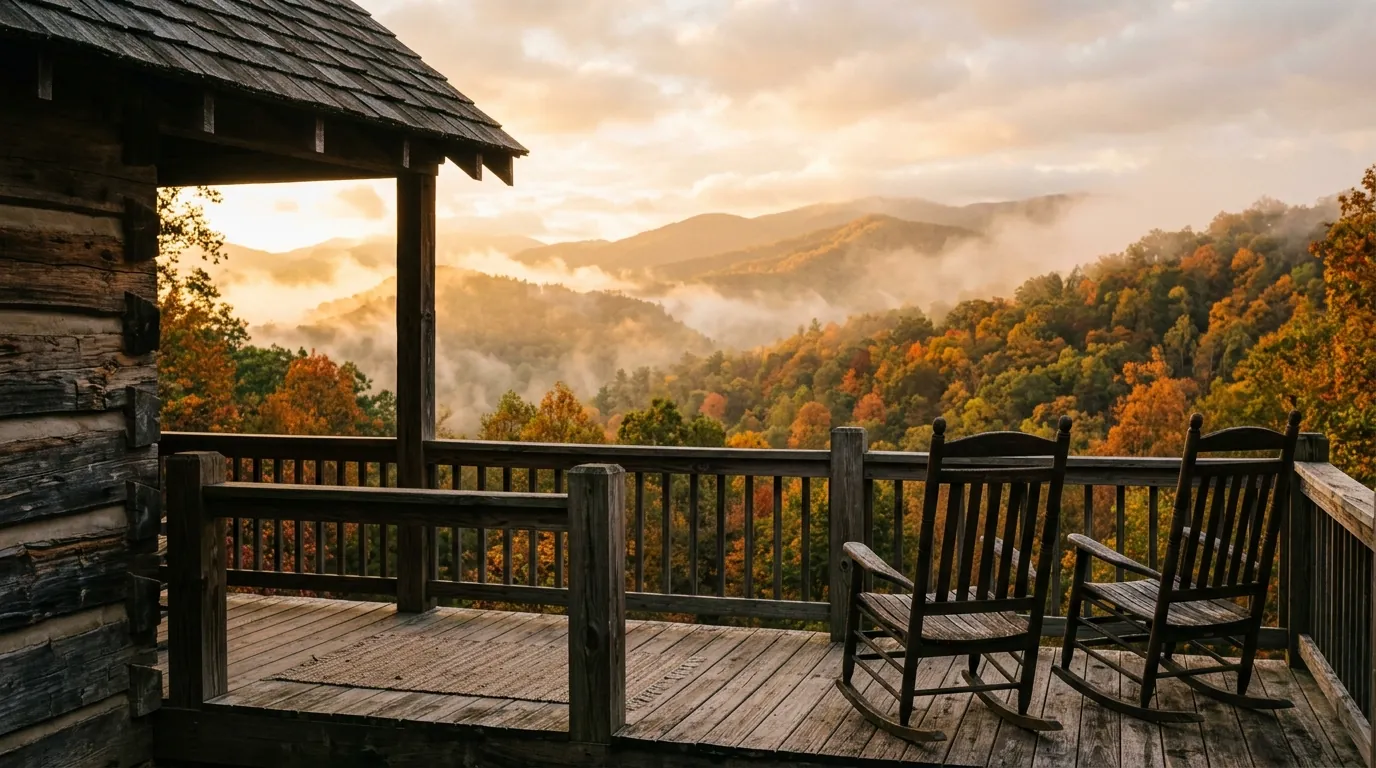
It is easy to meet the mountains on their best behavior. A clear afternoon, a porch view, and the long curve of a ridge can make any place feel settled before you have learned its tempo. A better first question is not whether a location photographs well. It is whether it works on a Tuesday when you need groceries, a repair, a dependable signal, and a route home after dark.
That distinction is why a relocation visit should include the unromantic errands. Drive the roads in both directions. Stop at the places you would actually use. Let the clock run long enough to notice the distance between a beautiful setting and a useful one. Readers who want a companion picture of the rhythm can begin with what daily life in the North Georgia mountains can feel like.
The best relocation research is ordinary on purpose. Test the property as a home base, not a weekend backdrop: morning light, driveway comfort, travel time, cellular reception, nearby services, and the feeling of returning after sunset all matter.
Rhythm
Mountain life often rewards a slower, more planned day. A small adjustment to when you leave can matter more than the mileage on a map.
Access
Road surface, slope, shade, drainage, and a turn near the house are property details, not background scenery.
Belonging
Community is built through repeat places: a local shop, school event, trail, volunteer role, or a neighbor who knows the road.
The view is only one part of the setting
North Georgia does not offer one uniform version of mountain life. A home near a town center can keep errands and conversations close. A more remote setting may provide more privacy while asking more of the household: weather awareness, delivery planning, tree care, and a comfortable relationship with quiet. Neither is inherently better. The useful question is what kind of friction you are prepared to own.
That is especially true in a region where elevation, tree cover, and the shape of a road can make nearby places feel distinctly different. Walk a property after rain if you can. Notice where water goes, where the shade stays, and whether a driveway feels as easy to leave as it did to enter. Ask for documents and professional advice where they are appropriate rather than relying on a reassuring first impression.
Make two lists after every visit: what felt naturally easy, and what would require a new routine. The first list points to fit. The second reveals the questions that should follow you into inspections, service calls, and document review. Keep the notes concrete: how long it took to reach a pharmacy, where your phone lost a signal, whether the final turn felt comfortable, and what you noticed when the light changed. Those small observations are more useful than a generic score because they describe the exact routine you may be choosing.
Seasons change the decision, not just the scenery
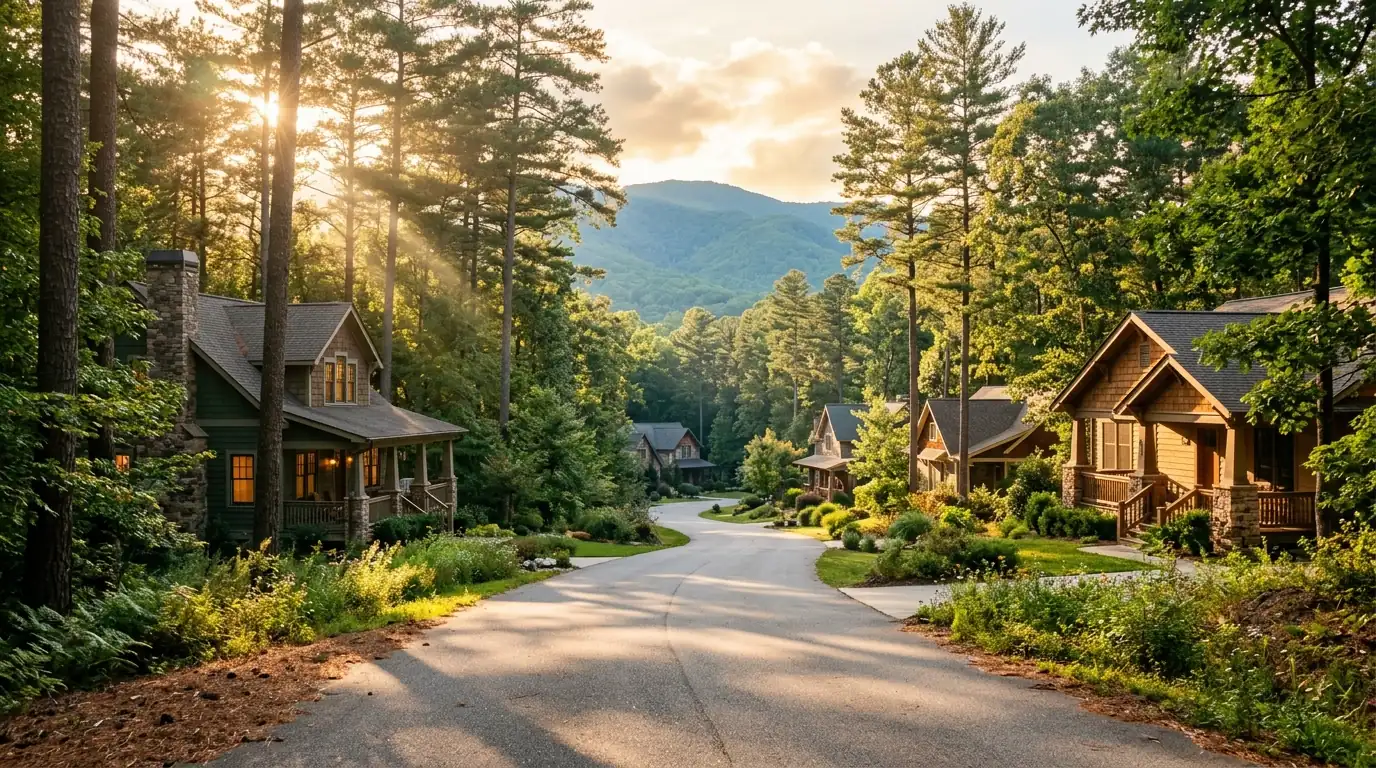
Every region asks newcomers to learn its calendar. In the mountains, that lesson can show up in a shaded drive, a wet stretch of road, a change in daylight, or a gathering that shifts with the season. The point is not to predict every condition from one visit. It is to recognize that a property has a year-round personality.
A second visit in a different season is valuable precisely because it interrupts the first impression. You may prefer the bare structure of winter trees, the green density of summer, or the social energy that arrives with fall. What matters is that the place supports your actual life in more than one mood. The long view of Dahlonega then and now is a useful reminder that communities hold onto their character while continuing to change around it.
Do not treat seasonal differences as a problem to solve from a listing photo. Treat them as a reason to return, ask better questions, and learn which version of the landscape makes you feel most at home.
Never assume a nearby address has the same utility, road, drainage, cellular, internet, insurance, or maintenance conditions as the home you are considering. Confirm the details for the exact property with the appropriate provider or professional.
Choose community before choosing a house
Relocation becomes easier when a place gives you reasons to return beyond the front door. In North Georgia, that might mean a familiar coffee counter, a local market, a library program, a golf morning, a school event, or simply an easy drive to people you expect to see often. The landscape is part of the appeal, but routine is what makes the landscape livable.
Give yourself permission to compare settings without reducing them to rankings. One person wants a town-edge home where dinner and conversation are close. Another wants a longer road home and the hush that comes with it. Both can be thoughtful choices when the practical commitments are understood. For a broader lens on where the region is changing, review the local real-estate context, then return to the daily-life question that brought you here.
Choose a place that supports the life you want to live, one ordinary day at a time.
A simple way to test a move before it becomes permanent
- Map your ordinary week. Write down the places and services you use without thinking, then test the routes from each prospective area.
- Visit at unplanned hours. Morning, evening, and a less-than-perfect weather day can teach more than a single polished showing.
- Ask property-specific questions. Confirm utilities, internet, road arrangements, drainage, inspections, and any shared responsibilities at the exact address.
- Picture your social map. Notice where you would meet people, take a walk, run an errand, or spend a quiet Saturday.
| Question to test | What to observe | Why it matters |
|---|---|---|
| How does the route feel? | Turns, grade, surface, shade, and the final approach. | A route is part of the home experience, not merely the way to it. |
| What does an ordinary errand require? | Time, comfort, parking, and the places you will use repeatedly. | Convenience is personal and becomes clearer through repetition. |
| How connected does the setting feel? | Cellular reception, service availability, and your own response to quiet. | Connection and privacy should match the life you are building. |
Frequently Asked Questions
Is moving to the North Georgia mountains a good fit for remote work?
It can be, but connectivity must be confirmed at the exact address. Ask providers for serviceability, test cellular backup, and treat internet access as a property condition rather than a later convenience.
Do I need a special vehicle for mountain living?
Not every home calls for one. The useful test is the specific driveway and route: grade, surface, shade, drainage, and how comfortable you feel driving it in both directions.
What should I check on a first relocation visit?
Run ordinary errands, drive after dark if possible, test your phone, notice travel time, and return to the property without following a planned showing route.
Are mountain homes more difficult to maintain?
The workload depends on the site and construction. Drainage, gutters, tree limbs, exterior moisture, driveways, and roof debris are worth evaluating with a qualified inspector.
How do I compare North Georgia mountain towns?
Compare daily life rather than a visitor itinerary: your routes, services, community rhythm, road comfort, and the type of setting that feels sustainable.
Will mountain living feel isolated?
It can for some households and feel restorative for others. Test your response to the drive, evening quiet, and distance from familiar routines before deciding.
Are private roads something to worry about?
They deserve document review. Confirm ownership, maintenance responsibilities, emergency access, and any shared obligations instead of relying on a verbal summary.
Should I visit in more than one season?
When possible, yes. A second visit helps you understand light, foliage, roads, weather, and community activity beyond the first impression.
What is the best first step before buying?
Choose a few settings that fit your routine, then evaluate the exact property with appropriate inspections, document review, and provider confirmations.
Where should I begin if I am still comparing locations?
Start with the life you want to live: how close you want to be to town, how much privacy you need, and which daily routes you want to keep simple.
Ready to turn a mountain idea into a practical search?
Connect with a local team that can help you compare settings, routes, and homes across North Georgia with the details in view.
Connect with Gold Peach Realty, your local North Georgia mountains brokerage(770) 283-1223